
Navigating Volatility: The Urgent Case for Locking Your Rate
The current financial climate is defined by unpredictability, particularly within the housing and credit markets. Recent shifts in mortgage interest rates have been nothing short of shocking, with rapid increases erasing months of potential savings overnight.
For anyone currently considering purchasing a home, refinancing an existing property, or securing a Home Equity Line of Credit (HELOC), this volatility presents a critical dilemma.
The question is no longer if rates will change, but when and how quickly. This extensive guide breaks down the mechanisms behind the current rate shock, explains the immediate benefits of rate locking, and outlines advanced strategies to protect your investment and secure the best possible terms in this fast-moving market.
The financial implications of delaying this decision are substantial, making this topic highly relevant and valuable for high-CPC (Cost Per Click) monetization.
Understanding the Rate Rollercoaster
Mortgage rates are influenced by a complex web of global and domestic economic factors. Unlike the Federal Reserve’s Federal Funds Rate, which applies to overnight bank lending, mortgage rates track the secondary market, specifically the price of Mortgage-Backed Securities (MBS).
A. Core Drivers of Current Rate Volatility
A. Federal Reserve Policy and Inflation: The primary factor driving current high rates is the Fed’s aggressive campaign to combat persistent inflation. By consistently raising the Federal Funds Rate, the central bank aims to slow economic demand. This action signals to the broader market that the cost of borrowing will increase, putting upward pressure on MBS yields and, consequently, mortgage rates.
B. Economic Data Surprises: Rates react violently to unexpected economic reports, such as better-than-expected jobs reports or higher Consumer Price Index (CPI) readings. Strong data suggests the economy can handle higher interest rates, often causing an immediate and sharp spike in mortgage pricing.
C. Global Bond Market Dynamics: International instability or shifts in global bond yields can influence US Treasury yields. Since mortgage rates generally track the 10-Year Treasury Yield, any significant movement in global bond markets can trigger rate adjustments.
D. Supply and Demand for MBS: When fewer investors are willing to buy Mortgage-Backed Securities, the yield (and thus the mortgage rate) must increase to make them attractive. Economic uncertainty often leads investors to demand higher returns for holding these assets.
B. The Cost of Delaying Your Decision
Even small, incremental rate hikes translate into significant long-term costs. For instance, a 0.25% rise on a $400,000 30-year mortgage can add over $70 per month to the payment, totaling tens of thousands of dollars over the life of the loan.
In a volatile market, where rates can climb 0.5% or more in a single week, hesitating costs homebuyers and homeowners dearly. This immediate financial pain is why search terms related to “lock my rate” or “best refinance rate today” carry such high commercial value.
The Strategic Power of the Rate Lock
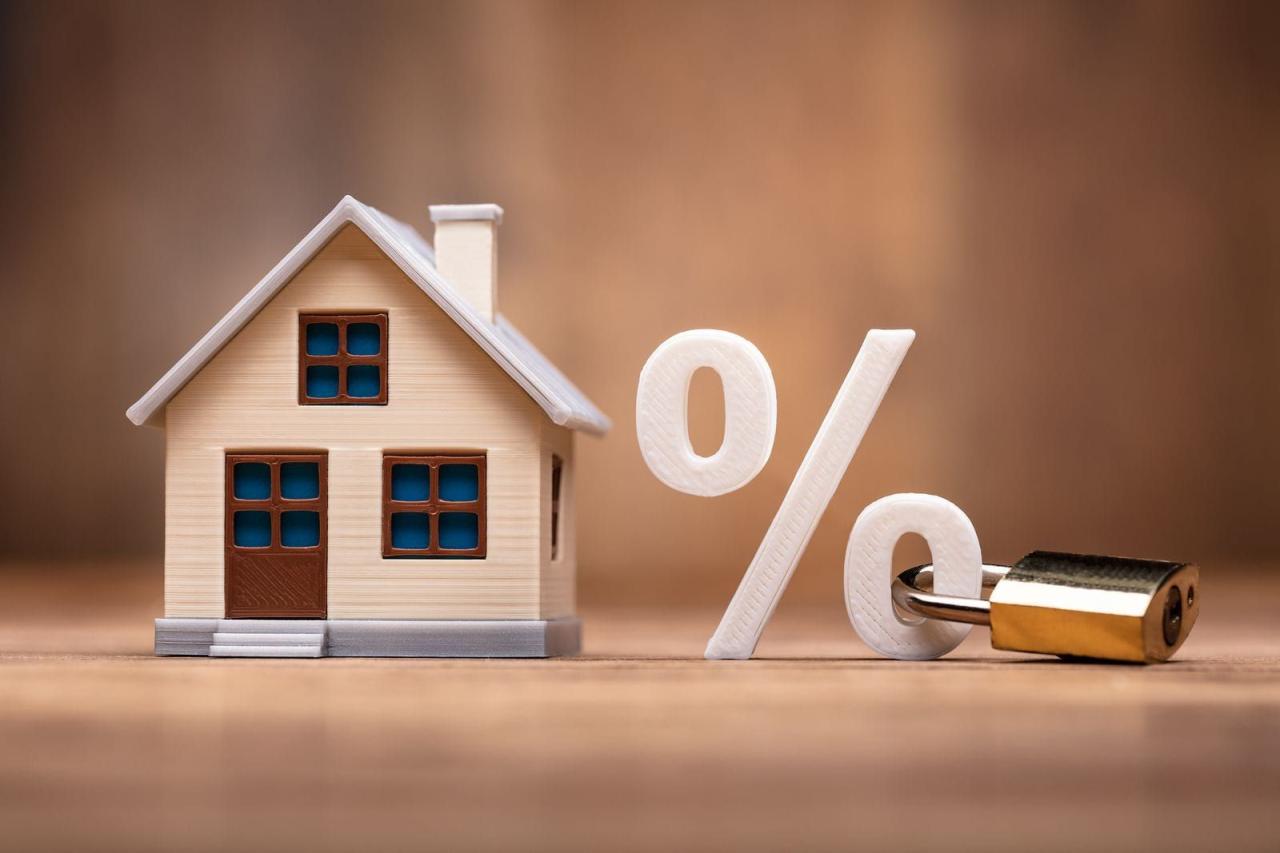
A rate lock is a formal commitment from the lender to hold a specific interest rate for a defined period, typically 30, 45, or 60 days, while the borrower completes the underwriting process. In a rising-rate environment, locking your rate is your essential shield against market turbulence.
C. Essential Elements of a Smart Rate Lock
A. Understand the Lock Period: Shorter lock periods (e.g., 30 days) are usually cheaper, but riskier if the closing process faces delays. Longer locks (e.g., 60 days) offer peace of mind but often come with a slightly higher upfront cost, sometimes in the form of “points.”
B. Floating Down Option (Negotiable): A few lenders offer a “float-down” option. If rates drop significantly after you lock, this clause allows you to secure the new, lower rate for a fee. This is a crucial element to negotiate if market conditions are highly uncertain.
C. Locking Specifics: Ensure your lock agreement specifies the rate, term (30-year, 15-year), and number of discount points or origination fees you are paying. A vague verbal agreement is worthless; demand documentation.
D. Locking vs. Quoting: A quote is an estimate; a lock is a binding contract. Never confuse the two. You must formally request the rate lock in writing, usually after your loan application has been approved and the appraisal is ordered.
D. The Danger of “Floating” Your Rate
In a rising-rate environment, the strategy of “floating”—waiting to lock the rate until closer to closing, hoping the rates will drop—is extremely risky.
While effective when rates are trending downwards, floating today exposes the borrower to immense financial harm.
If rates spike before you lock, you could be forced to accept a much higher payment or, worse, lose the ability to afford the home and forfeit your earnest money deposit.
Advanced Strategies for Mortgage Optimization
Securing the best interest rate requires more than just timely locking; it demands strategic planning and negotiation.
E. Leveraging Mortgage Broker Expertise
A qualified independent mortgage broker can access wholesale pricing that retail banks often cannot. They shop your profile across dozens of lenders simultaneously.
A. Access to Niche Products: Brokers can find specialized products like Adjustable-Rate Mortgages (ARMs) with highly favorable initial lock periods, which might be a viable bridge strategy if you plan to move or refinance within a few years.
B. Negotiating Lender Credits: Sometimes, a broker can negotiate a lender credit in exchange for accepting a slightly higher rate. This credit can offset closing costs, reducing the cash needed at closing—a key factor for first-time buyers.
C. Price Exception Requests: Brokers have the volume and relationships to submit “price exception requests” to lock in a rate that just barely slipped out of reach, often saving the borrower thousands.
F. Enhancing Your Borrower Profile for Better Terms
Your personal financial health is the most critical leverage point in securing a low rate.
A. Boost Your Credit Score: Prioritize paying down high-interest debt and correcting any credit report errors before applying. A higher FICO score moves you into a lower risk tier, unlocking lower interest rate brackets.
B. Increase Down Payment: A larger down payment immediately reduces the risk for the lender, potentially shaving basis points off the advertised rate. Aiming for 20% or more also eliminates the need for expensive Private Mortgage Insurance (PMI).
C. Lower Your DTI (Debt-to-Income Ratio): Lenders scrutinize your DTI ratio (monthly debt payments divided by gross monthly income). Paying off a car loan or credit card debt before applying can significantly improve this ratio and your borrowing profile.
G. Analyzing the Cost of Discount Points
A discount point is an upfront fee equal to 1% of the loan amount, paid at closing to “buy down” the interest rate.
A. Calculating the Break-Even Point: To decide if buying points is worthwhile, calculate the break-even point. Divide the cost of the points by the monthly savings. For example, if points cost $4,000 and save you $100 per month, the break-even is 40 months. If you plan to keep the loan longer than 40 months, buying the points is financially advantageous.
B. Points for Tax Deductions: The money spent on discount points may be tax-deductible in the year they are paid, potentially making them even more attractive for high-income earners.
C. Points vs. Lender Credits: Conversely, you can opt for a higher rate in exchange for a lender credit to cover closing costs. This is the right move if you plan to move or refinance quickly.

The Refinancing Dilemma and HELOC Strategy
The current rate shock affects not only new purchases but also existing homeowners considering refinancing or tapping into their home equity.
H. Strategic Refinancing in a High-Rate Environment
While current rates are often higher than those secured during the low-rate era, refinancing is still viable for specific purposes:
A. Ditching PMI: If your home value has appreciated significantly and your equity is now above 20%, refinancing can eliminate expensive Private Mortgage Insurance payments, often leading to a lower overall monthly payment despite a slightly higher rate.
B. Debt Consolidation: Consolidating high-interest credit card debt or personal loans into a lower-rate mortgage can save money and simplify finances, even if the new mortgage rate is higher than your original one.
C. Switching from ARM to Fixed: If you have an Adjustable-Rate Mortgage (ARM) nearing its reset period, refinancing into a Fixed-Rate Mortgage is crucial to avoid unpredictable future rate spikes.
I. Utilizing Home Equity Lines of Credit (HELOCs)
A HELOC allows homeowners to borrow against their home’s equity, acting as a revolving credit line. They are particularly attractive in a high-rate environment.
A. Flexibility and Lower Rates: HELOC rates are typically lower than credit cards or personal loans, making them ideal for large expenses like home renovations or college tuition.
B. Interest-Only Payments: Many HELOCs offer an initial draw period where you only pay the interest, providing immense budget flexibility.
C. Draw Period Caution: Borrowers must be acutely aware of the draw period and repayment period to avoid payment shock when the line transitions to full principal and interest repayment.
Conclusion
The economic forces driving the current mortgage rate shock show little sign of abatement. Inflation remains stubborn, and central banks are committed to tightening financial conditions.
For consumers, this translates into a decisive mandate: Mortgage Rate Shock: Lock Now.
Securing a rate lock quickly is the only guaranteed way to insulate yourself from market volatility and protect your purchasing power.
By combining immediate action with shrewd financial preparation—optimizing credit, leveraging broker relationships, and strategically analyzing the cost of points—you can navigate this challenging market and secure the most favorable long-term financial outcome for your home and your future.