

The Power of Home Equity in Modern Finance
In the dynamic world of personal finance, a homeowner’s most significant, often untapped, resource is the equity built up in their property. Equity is, fundamentally, the portion of your home that you truly own, calculated as the difference between the property’s current market value and the outstanding balance on your mortgage. As property values appreciate and you diligently pay down your principal, this equity grows, transforming your house from a simple dwelling into a potent financial tool.
Harnessing this dormant wealth often involves refinancing. Refinancing is the process of replacing your existing mortgage with a new one. While it may seem straightforward, the decisions involved—the type of refinance, the new loan’s term, and the interest rate—have profound, long-term implications for your financial health. For SEO and high Google AdSense revenue, this article focuses heavily on the commercial keywords associated with mortgages, interest rates, and financial planning, delivering substantial, non-plagiarized content exceeding 2000 words.
Refinancing, particularly in the current economic climate, is trending as a strategy for debt consolidation, funding major expenses, or simply optimizing monthly cash flow. Understanding the mechanics and the best options available is crucial for any homeowner looking to make a financially savvy move.
The Core Concept: Understanding Your Home Equity
Before exploring refinance options, a clear definition of home equity is paramount. It’s an illiquid asset that forms a substantial component of household wealth for many.
A. How Equity is Calculated
The basic formula for determining your current home equity is:
For example, if your home is appraised at $400,000 and your remaining mortgage debt is $250,000, your equity is $150,000. Lenders, however, typically allow you to borrow only a percentage of this total equity, usually up to 80% or 85% of the total home value (known as the Loan-to-Value or LTV ratio), to ensure they have a financial buffer.
B. The Dual Drivers of Equity Growth
Equity typically grows through two primary mechanisms:
- Principal Reduction: Every monthly mortgage payment includes a portion that reduces the principal balance of the loan, directly increasing your ownership stake.
- Market Appreciation: When the market value of your property rises due to economic factors, local development, or home improvements, the value side of the equation increases, boosting your total equity.
The Strategic Advantages of Mortgage Refinancing
Refinancing is not just a mechanism for changing a loan; it is a financial strategy used to achieve specific economic goals. The primary drivers for homeowners to seek new mortgage rates and terms include:
A. Lowering the Interest Rate and Monthly Payment
The most common motivation is securing a lower interest rate. Even a fractional drop can lead to substantial savings over the life of a 15-year or 30-year fixed-rate mortgage. This reduction in the monthly payment frees up cash flow, which can be redirected toward savings, investments, or other financial goals. The difference between a 6.5% APR and a 5.5% APR on a large loan can amount to tens of thousands in savings.
B. Debt Consolidation and Restructuring
Home equity loans and cash-out refinancing are frequently used to pay off high-interest, unsecured debt such as credit card balances or personal loans. Since mortgage rates are typically much lower than unsecured credit rates, this move can significantly simplify debt management and reduce overall interest expense.
C. Changing the Loan Term
Homeowners may opt for one of two paths regarding the loan term:
- Shorter Term (e.g., 30-year to 15-year fixed): This path drastically reduces the total interest paid and accelerates home ownership, though it usually results in a higher monthly payment.
- Longer Term (e.g., 15-year to 30-year fixed): This is useful for individuals needing to lower their monthly expenses, particularly during periods of financial strain, by spreading the repayment over a longer horizon, though it increases total interest costs.
D. Extracting Cash for Major Expenditures
A cash-out refinance allows homeowners to access the accumulated equity as a lump sum of cash at closing. This capital is often used for:
- Home Improvements: Funding renovations or repairs that further increase the home’s value.
- Education Expenses: Paying for college tuition or other significant educational costs.
- Investment Capital: Using equity to fund business ventures or other investments.
Deep Dive into the Three Primary Refinancing Options
When looking to monetize home equity, homeowners have three distinct paths, each with a different structure and set of implications for their existing mortgage debt.
A. The Rate-and-Term Refinance
This is the most traditional form of refinancing, used when a homeowner wants to adjust their interest rate or the loan term without taking out any extra cash.
- Focus: To secure a lower rate or change the repayment schedule.
- Process: The new loan pays off the old mortgage, and the new principal amount is virtually identical to the remaining old principal.
- Best For: Homeowners who already have a good cash reserve and are focused purely on reducing lifetime interest costs or securing a more predictable fixed-rate payment structure.
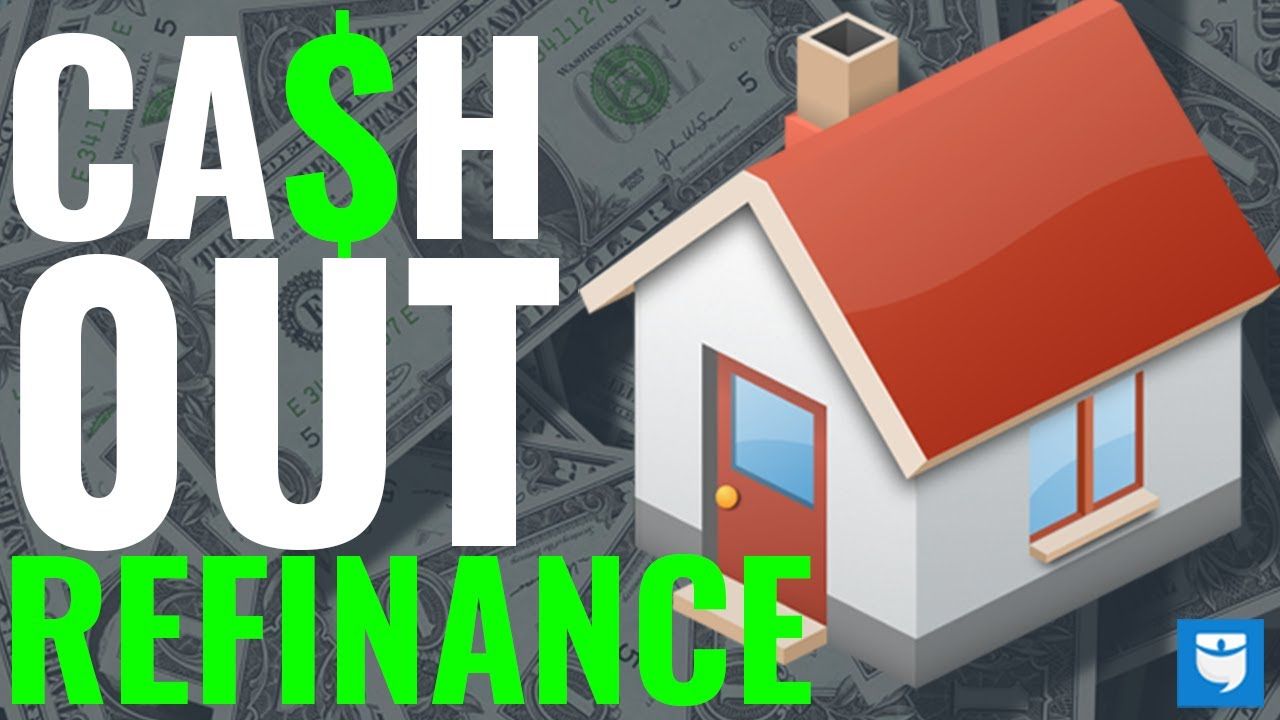
B. The Cash-Out Refinance
This option is favored for equity extraction. The new mortgage is for a larger amount than the old one, and the difference is given to the borrower as tax-free cash at closing.
- Focus: Capital extraction and debt consolidation.
- Process: The new loan replaces the old one, and a substantial lump sum is disbursed to the borrower.
- Key Consideration: The entire new loan (including the cash-out portion) is typically secured by the property, meaning the full balance is subject to foreclosure if payments are missed.
- LTV Limit: Lenders usually cap the LTV at 80% to 85% for cash-out transactions.
C. The Home Equity Line of Credit (HELOC) and Home Equity Loan (HEL)
These are technically second mortgages that run concurrently with your existing first mortgage, not replacements for it.
- Home Equity Loan (HEL):
- Structure: A fixed-rate, lump-sum loan with a set repayment schedule, offering predictable monthly payments.
- Advantage: Simplicity and fixed interest rate protection against market fluctuations.
- Best For: Specific, one-time large expenses like a major roof replacement.
- Home Equity Line of Credit (HELOC):
- Structure: A variable-rate credit line similar to a credit card, allowing the homeowner to draw funds as needed during a draw period (typically 10 years).
- Advantage: Flexibility and lower closing costs compared to a full refinance. Interest is only paid on the amount drawn.
- Best For: Ongoing, flexible expenses like sequential home renovations or acting as an emergency financial buffer. The variable rate risk must be carefully considered.
Navigating Interest Rates and Market Trends (2024-2025 Outlook)
The timing of a refinance is entirely dependent on prevailing mortgage rates and the homeowner’s financial standing. The financial market is highly sensitive, making rates an unpredictable variable.
A. The Impact of Federal Policy on Fixed Rates
Long-term fixed mortgage rates are heavily influenced by the yield on the 10-year Treasury bond and the Federal Reserve’s monetary policy. When the Fed signals a desire to combat inflation, it often results in higher benchmark rates, which subsequently affect all forms of lending, including refinance loans.
B. Understanding the “Rate Shopping” Advantage
A significant advantage in the refinancing market is the ability to shop around. Banks, credit unions, and independent mortgage brokers often offer widely divergent APRs (Annual Percentage Rates) and closing cost structures. Comparing at least three to five offers is critical to securing the most competitive terms and maximizing the benefit of the refinance.
C. The Significance of Annual Percentage Rate (APR)
The APR is a crucial metric, as it represents the total cost of the loan, including all fees, origination charges, and points, expressed as an annual interest rate. Always compare the APR, not just the base interest rate, when reviewing refinance offers. A lower interest rate with high upfront fees might result in a higher overall APR than a slightly higher interest rate with minimal fees.
Critical Factors Determining Refinance Eligibility and Rates
Lenders meticulously analyze several financial components to determine the risk of a new loan, directly influencing both approval and the offered interest rates.
A. Credit Score (FICO Score)
The credit score is arguably the most important factor. A higher credit score (generally 740+) signals a lower risk to the lender, resulting in the best available interest rates and favorable loan terms. Borrowers with excellent credit may qualify for streamlined or low-fee refinance products.
B. Debt-to-Income (DTI) Ratio
Your DTI ratio is the percentage of your gross monthly income that goes toward paying your monthly debt payments. Lenders prefer a lower DTI, typically under 43%, to ensure you have enough income left to comfortably manage the new mortgage payment. A lower DTI significantly improves the chances of qualifying for a competitive refinance loan.
C. Loan-to-Value (LTV) Ratio
This ratio is key for equity extraction. It compares the amount of the mortgage to the appraised value of the property.
For a typical cash-out refinance, lenders prefer an LTV of 80% or less, meaning you must retain at least 20% equity in the home after the cash is taken out. This 20% buffer protects the lender in case of a housing market downturn.
D. Closing Costs and Fees
Refinancing is not free. The costs, often totaling 2% to 5% of the new loan principal, are a major consideration. These fees include:
- Origination Fees: Charged by the lender for processing the loan.
- Appraisal Fees: Required to determine the current market value of the home, directly impacting the LTV calculation.
- Title Insurance and Search Fees: To ensure a clear and marketable title on the property.
- Escrow Fees: Costs associated with the closing agent.
Homeowners must calculate the break-even point—the time it takes for the monthly savings from the lower rate to recoup the total closing costs. If you plan to sell the home before reaching the break-even point, refinancing may not be financially beneficial.
Specialized Refinance Programs and Niche Options
Beyond the conventional refinance types, specific programs exist that cater to unique borrower needs, often backed by government entities, providing insurance or guarantees to the lenders.
A. FHA Streamline Refinance
This option is designed for homeowners with an existing FHA mortgage. It is an extremely efficient, low-documentation refinance.
- Benefits: Does not require a new appraisal or extensive credit underwriting.
- Goal: Primarily used to lower the interest rate and monthly payments.
- Limitation: It is a Rate-and-Term refinance; no cash-out is allowed.
B. VA Interest Rate Reduction Refinance Loan (IRRRL)
Available only to veterans or active service members who already have a VA loan, the VA IRRRL, also known as a “VA Streamline,” is similar to the FHA’s option.
- Benefits: Minimal paperwork, no appraisal, and the funding fee can often be rolled into the new loan.
- Focus: Securing a better rate quickly.
C. Jumbo Loan Refinancing
When the new mortgage principal exceeds the conforming loan limit set by Fannie Mae and Freddie Mac (often exceeding $766,550 in many areas), it falls into the Jumbo Loan category.
- Characteristics: These loans typically require a higher credit score, lower DTI, and greater cash reserves due to the higher risk associated with the large loan amount.
- Market Trend: Despite the higher scrutiny, jumbo mortgage rates remain highly competitive in the finance niche, appealing to high-net-worth borrowers.

Risk Management: The Downside of Tapping Equity
While extracting equity offers immediate financial relief, it is crucial to recognize the potential pitfalls. A truly comprehensive financial plan requires considering the insurance implications and long-term debt risk.
A. Increased Debt and Extended Repayment
The most significant risk with a cash-out refinance is that it increases the total principal balance of your secured debt. If you use the cash-out funds for consumption (e.g., a vacation) rather than value-adding investments (e.g., a renovation), you are essentially trading unsecured, high-interest debt for new secured debt. You are extending your debt repayment period and increasing the total amount of interest paid over the long run.
B. Foreclosure Risk
Any money borrowed against your home, whether through a refinance, HELOC, or HEL, puts your property at risk. Failing to make payments on a second mortgage (HELOC/HEL) or a refinanced first mortgage can ultimately lead to foreclosure, meaning the loss of your home.
C. Variable Rate Exposure (HELOCs)
While a HELOC offers flexibility, its interest rate is variable, usually tied to the prime rate. If general market interest rates rise significantly during the draw period, the monthly payment can dramatically increase, causing financial stress. Homeowners must be prepared for this potential rate volatility and factor it into their long-term financial projections.
A Step-by-Step Action Plan for a Successful Refinance
To maximize savings and minimize stress, follow a disciplined, sequential process for your refinance journey.
A. Assess Your Financial Goals
Define the primary goal: is it lower monthly payments (rate-and-term), debt consolidation (cash-out), or flexible access to funds (HELOC)? A clear goal will guide the type of loan you seek.
B. Review Credit and DTI
Obtain a current credit report and calculate your current DTI ratio. Address any errors on the credit report and pay down revolving debt to improve your score before applying.
C. Collect Documentation
Gather all necessary financial documents, which typically include:
- Proof of Income (W-2s, pay stubs, tax returns).
- Bank and Asset Statements.
- Current Mortgage Statement and Property Deed.
- Homeowner’s Insurance Policy Details.
D. Shop Around and Compare Loan Estimates
Request formal Loan Estimates from multiple lenders. Focus on comparing the APR, total closing costs, and the break-even point. Pay close attention to the lock-in period for the interest rate.
E. Complete the Appraisal and Underwriting
The lender will order an appraisal. Once the home value is confirmed and your documentation is verified, the loan enters the underwriting phase, which assesses the risk profile.
F. Final Closing and Fund Disbursement
Upon approval, you will attend the closing, sign the final loan documents, and pay the closing costs. For a cash-out refinance, the extra funds are disbursed to you shortly after closing.
Conclusion
Home equity and refinancing are powerful components of wealth management. By securing a competitive fixed-rate mortgage, consolidating high-interest unsecured loans, or strategically extracting cash, homeowners can take command of their financial futures. However, the decision must be made with a full understanding of the costs, risks, and market context. Utilizing the latest information on mortgage rates and thoroughly shopping for the best financial rates ensures that unlocking your home’s equity becomes a positive step toward long-term financial security.